The Homeowner’s Guide to Hiring an Interior Designer with Confidence
Your home is the backdrop and support for your life. Think quiet, empowering mornings, celebrated milestones, and the rituals that define how you live. When the time comes to invest in its design, the decision you make about who guides that process should be handled with the greatest care.
Choosing an interior designer is one of the most personal decisions a homeowner will make. It requires trust, shared vision, and a process that feels as considered as the result. The challenge, of course, is knowing where to begin, and what to look for once you’re ready.
With more than thirty years of experience designing distinguished homes throughout Upstate South Carolina and Western North Carolina, Panageries has helped generations of discerning clients navigate this process with clarity and confidence. The goal of this post is to give homeowners a clear guide for making the right decision when it comes to hiring a high-end interior designer.
What should I look for in an interior designer’s portfolio?
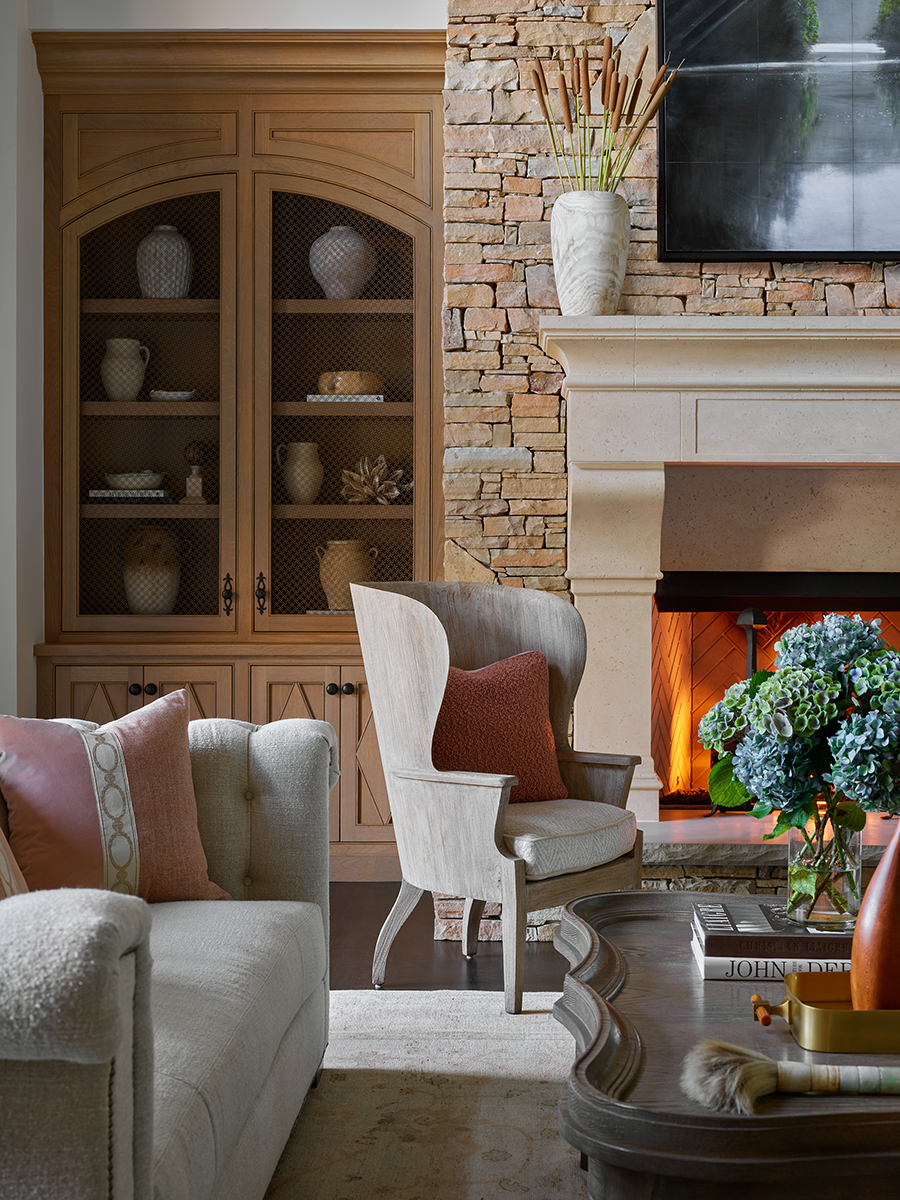
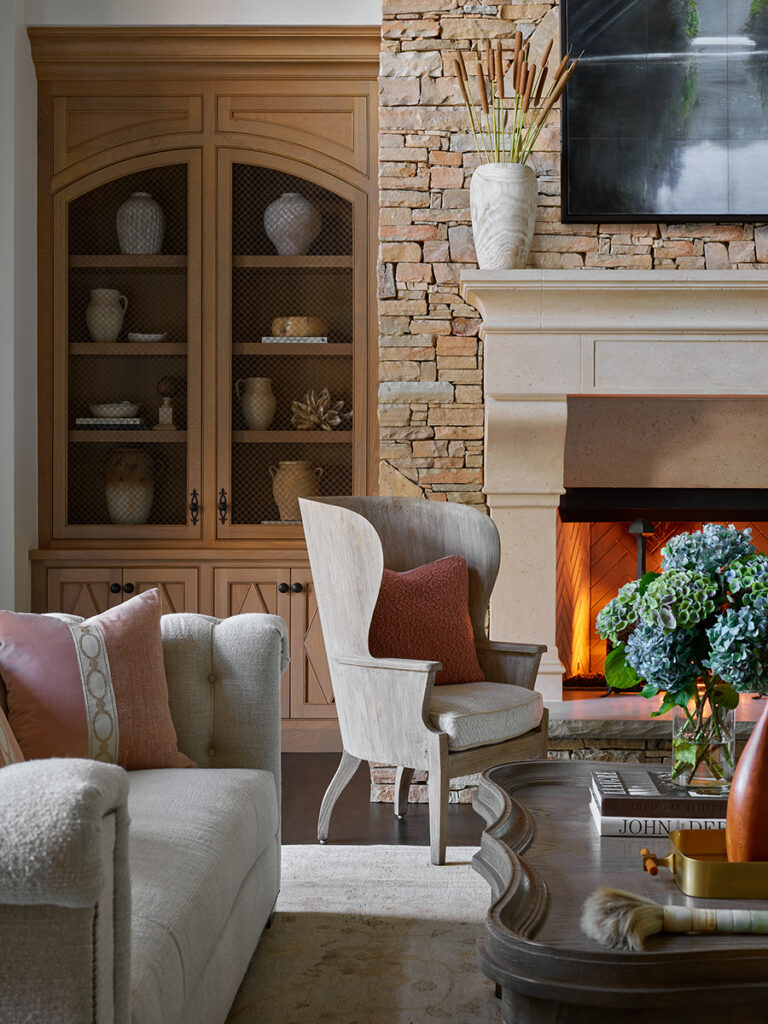
Before you schedule a single conversation, spend some time with their work. A designer’s portfolio is an honest presentation of their abilities, revealing their aesthetic range, how they creatively problem solve, how they decipher inspiration, and what they believe a home should feel like.
As you review it, consider the following:
- Does their work reflect a genuine range, or does every project look like a variation of the same home?
- Can you find your own sensibility somewhere in their body of work, as evidence that they understand interiors like you’ve envisioned?
- Does their work feel considered and layered with depth and intention?
- Are the interiors livable, or just photogenic? Beautiful rooms and livable rooms are not mutually exclusive, but the best designers can achieve both.
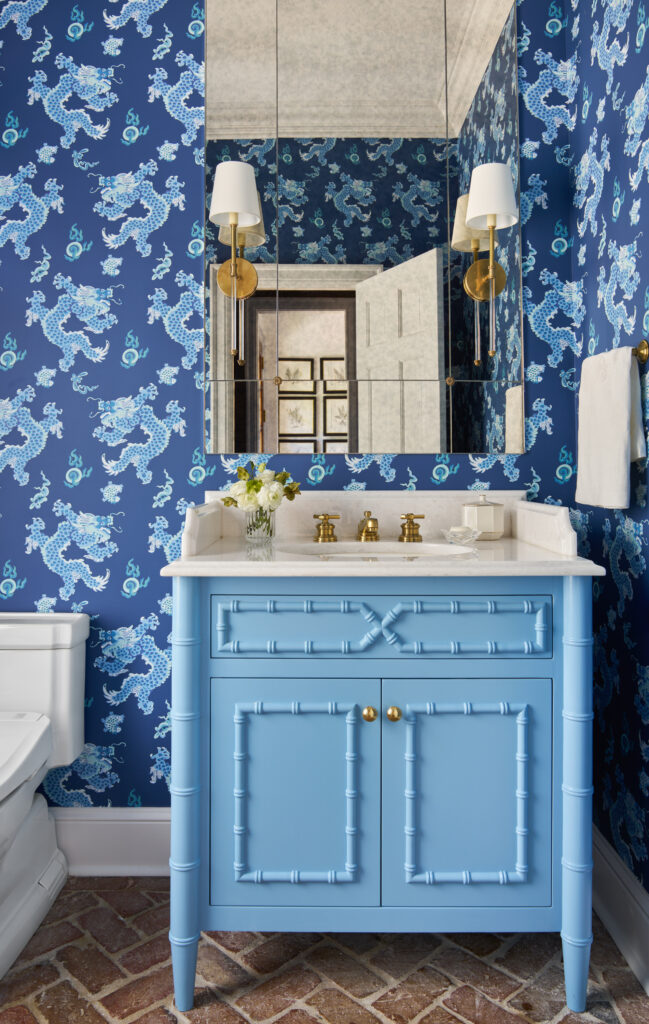
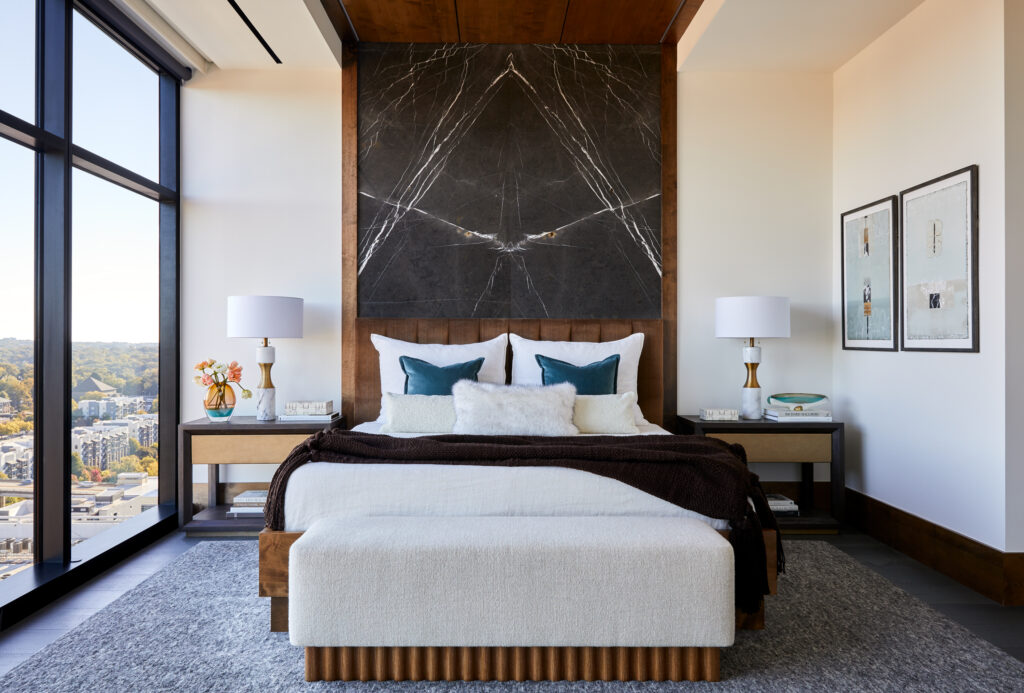
At Panageries, we believe a portfolio should feel like a conversation, an invitation to imagine what is possible in your own home. Our work spans expansive estates and intimate cottages, each one shaped entirely by the people who live there. No two projects look alike, because no two clients are alike.
How many interior designers should I interview before making a decision?
We recommend interviewing at least three designers before making a decision. This is meant to be an in-depth conversation so come prepared with all your questions.
Photographs and websites will convey a great deal. What they won’t tell you, is how a person listens. How they respond to your input and apply that to your home. Whether they are genuinely curious about you or simply waiting to tell you what they’d like to do.
You will be working closely with your design team for many months or in some cases years, so the goal should be to find someone you effortlessly click with, then that natural chemistry will make the process even more enjoyable.
Why do we recommend interviewing three designers? It gives you a realistic baseline for comparison on their process, personality, and price without becoming overwhelming.
What questions should I ask an interior designer before hiring them?
The right questions will illuminate their process, priorities, and whether a designer’s way of working will complement your own. Here are some possible questions you should bring to your interview:
- What does your design process look like from initial discovery through final installation?
- How do you learn about a client’s taste, lifestyle, and how they use their home?
- Who will I be working with day-to-day, you personally, or a member of your team?
- How do you communicate with clients throughout a project, and how often should I expect to hear from you?
- What does a realistic timeline look like for a project of this scope?
- What happens when something shifts, a timeline delay, a vendor backorder, or an unexpected cost?
- Do you have established trade relationships with vendors, contractors, and craftspeople? How does that network benefit me?
- Can you show me examples of projects that are similar in scope or sensibility to what I’m envisioning?
A designer who answers these questions with specificity and candor is a designer who has nothing to hide and a great deal to offer.
How do I know if a designer’s process is the right fit for me?
Every firm runs its projects differently. Some designers are highly collaborative, presenting options and inviting ongoing input. Others prefer to develop a complete concept before sharing it. Some communicate weekly; others work in longer arcs of quiet focus followed by comprehensive presentations. None of these approaches is inherently better, but the fit must be right for you.
In evaluating any designer’s process, look for:
- A clearly defined onboarding or discovery phase with a genuine effort and method to understand how you live
- Defined milestones and decision points, so you always know where the project stands
- Transparency about roles: what the designer manages, what the contractor manages, and where your input is needed
- A rhythm of communication that respects both your time and your desire to stay informed
At Panageries, our process begins the moment you reach out. Your initial call is an opportunity for us to listen, understand the scope of your project, how you use your home, and what you hope your home will feel like once complete.
From there, we invite you into our studio for a discovery meeting. Clients often bring inspiration images, blueprints, photographs and anything that helps us understand your vision. We’ve found that showing us what you love is far more illuminating than describing it. What one person calls “cozy” another experiences as “dark.” Referencing imagery removes that ambiguity.
How should I approach budget and timeline conversations with a designer?
Directly, and at the beginning of the vetting process. The designers who handle this conversation with grace and transparency are precisely the ones you want by your side. Vagueness here, on either side can lead to friction, disappointment, and strained relationships later.
On Budget
Share your number honestly and expect an equally transparent response about what is possible within it. The right designer will help you understand the tradeoffs, prioritize wisely, and make every dollar work for you.
On Timeline
- Request a realistic project timeline with clearly defined phases, instead of a single projected completion date. Part of the beauty is in the process, so having clear markers of what to expect and when keeps everyone accountable and in the know.
- Understand what factors might introduce delays, like lead times on custom furnishings, contractor availability, or client decision points
- Ask how the designer keeps momentum when external circumstances slow things down
At this point, in the design journey we walk our clients through a programming process that serves as the foundation for everything that follows. It is where we analyze your inspiration further, align our recommendations with your vision, and surface the details that will distinguish your new design. This step is where the real design begins.
Why do a designer’s trade relationships matter?
This is one of the most overlooked differentiators in the industry and one of the most consequential for the quality of your finished home.
A designer’s network of trusted vendors, craftspeople, and contractors is something that cannot be replicated overnight. It is built across years of projects, and hard-won trust. For you, that network means:
- Access to materials, furnishings, and one-of-a-kind pieces simply unavailable to the public
- Contractors who perform with care and accountability, because your designer’s reputation travels alongside theirs
- Faster, more creative problem-solving when unexpected challenges arise, as they inevitably do
Over the decades in this industry, we’ve cultivated relationships with vendors and craftspeople we trust completely. When we present a recommendation, it carries the weight of years of a working partnership. That network of trust is among the most valuable things we bring to your project, and to your home.
After our in-person meeting(s), inspired by your vision and guided by our expertise, we create design concepts for every aspect of your home, from exterior elements to the interior finishes and furnishings. Every selection is made with the whole in mind, and every detail is considered in relation to the life you lead.
What are the red flags to watch for when hiring an interior designer?
As much as the right firm will feel unmistakable, so will the wrong one. Trust your instincts and look for these warning signs:
- A designer who speaks more than they listen in your first meeting, especially one who presents their vision before they’ve understood yours
- Vague or evasive answers about process, fees, or how decisions are made
- Reluctance to discuss the budget with honesty and specificity
- A portfolio with no meaningful range, where every home appears to be a variation of a signature look regardless of the client
- Slow or unclear communication from the very first interaction
- Pressure to commit before you feel ready
The right designer will never make you feel rushed, overwhelmed, or as though your questions are an inconvenience. They will make the process feel like the privilege it is.
Begin with a Conversation
Choosing an interior designer is a matter of trust. You are inviting someone into your home, your habits, and the intimate details of your life. The right firm will bring expertise, access, and a refined creative vision, but above all, they will listen. Through the years, we have learned that listening reveals what clients often cannot yet articulate–the feeling they are after and the life they are trying to build. Our proven process has made the design journey, which can sometimes feel daunting, feel like one of the most rewarding investments you have ever made in yourself and your family.
If you’re beginning this search, we’d love to be considered as your chosen designer. You’ll be greeted with a warm welcome, and a real conversation about your home and what’s possible.